


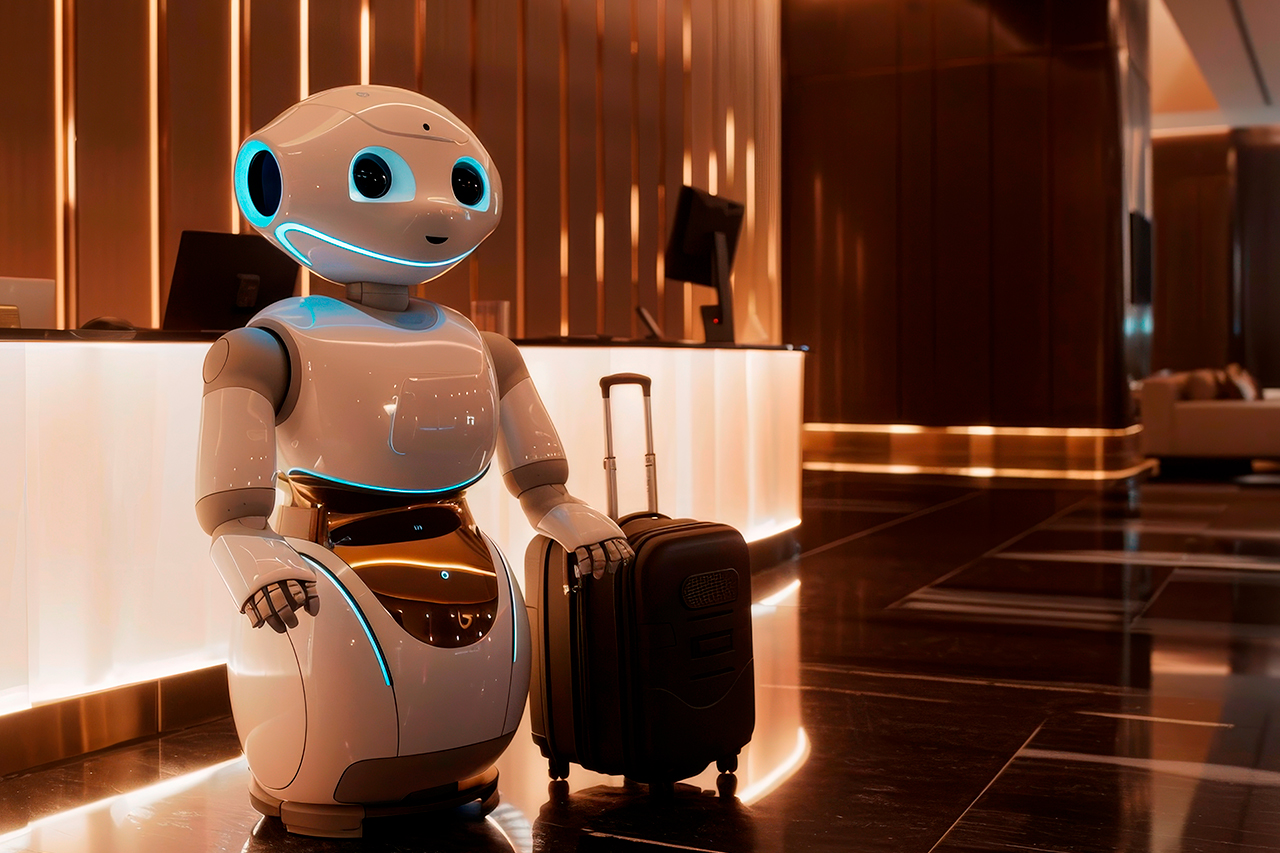
Many years ago, location, design, and service were some of the biggest factors that determined whether a hotel in Bali was worth it. Today, that’s not the case anymore as there’s a new differentiator that reshapes the market: artificial intelligence. From AI-powered messaging to automated marketing, hospitality businesses across the island are beginning to use technology not only to save time and energy but also to improve profitability. As competition becomes more intense, adopting AI in hospitality is a highly strategic business decision. Here’s how AI is changing the Bali hospitality industry, and what it could mean for future investments.
Why AI Is Arriving in Bali Now
It’s no secret that Bali’s hospitality industry is becoming more competitive each year. With tourist numbers rising and new properties opening across famous areas, business owners are under pressure to run leaner operations while still delivering the warm, personal service Bali is loved and famous for. This is exactly the gap AI is stepping into.
Globally, the shift is well underway. A 2026 industry survey of more than 400 hospitality technology decision-makers found that 98% of hotel owners have started using some form of AI, and 58% of them plan to devote more than 10% of their IT budgets to it this year. Furthermore, the same research found that guest communication is the single biggest area where hoteliers expect AI to make a difference. Bali is following this same trajectory.
The Use of AI in Bali’s Hospitality Scene
Many hospitality businesses in Bali are already adopting and integrating AI-powered tools into their day-to-day operations to help them grow. Below are some of the examples:
Guest communication and chatbots
This is probably the clearest example of how AI is being used in Bali. In July 2026, Hotel Indigo Bali Seminyak Beach rolled out Canary Technologies’ AI Guest Messaging platform. From booking to checkout, it’s capable of answering guest questions in seconds in over 100 languages. By implementing this technology, the hotel improves communication with its guests and responds more quickly to their needs. Moreover, automation allows staff to focus on in-person service where their presence matters most. AI manages volume and speed, while humans engage during key moments.
Financially, this approach makes a lot of sense, too. Industry estimates suggest that resolving a guest inquiry with AI costs around $0.50-$2.00, while the same interaction handled by a human agent over the phone costs around $8-$15.
Dynamic pricing and revenue management
Instead of setting room rates manually and adjusting them occasionally, many properties are now using AI-driven systems to adjust prices in near real time based on demand, competitor rates, and booking pace. A peer-reviewed case study of Mercure Bali Nusa Dua Hotel tested an AI-based expert system for dynamic pricing and found it usable and effective for guiding pricing decisions. This reinforces what global hotel groups have already found: automated pricing tends to outperform static, manually-set rates, particularly during periods of fluctuating demand like Bali’s shoulder seasons.
Energy and Operations Management
Big properties and villa complexes can take advantage of AI-connected sensors. They can adjust air conditioning and lighting based on room occupancy. In fact, hospitality consultants advising Bali properties report electricity savings of around 10-30% from this kind of automation without impacting guests’ comfort. Since electricity is a high recurring cost for Bali properties, it has a direct effect on operating margins.
AI-Powered Discovery and Booking
Now, this is one of the newer innovations. In late 2025, the Ministry of Tourism launched MaiA. It’s an official AI travel chatbot on the Wonderful Indonesia platform, which is specifically designed to help travelers plan trips across the archipelago, including lesser-visited parts of Bali. Better yet, this chatbot operates in more than a dozen languages. At the same time, global platforms are moving in the same direction. A 2026 industry report found that more than a third of travelers are already using AI tools integrated into travel sites to plan their trips. Major distribution platforms like SiteMinder have also announced new ways to connect hotel inventory to AI-driven booking environments.
What This Means for Investors
Here are some practical takeaways if you’re looking at hospitality opportunities in Bali:
- AI adoption in hospitality is now a key question during due diligence. When assessing a property or management company, ask how they use AI for pricing, guest communication, and marketing. Those still running everything manually may be leaving revenue on the table.
- Data readiness matters for future bookings. Properties with clean, well-structured data on rates and availability will be easier for AI travel-planning tools to find and book.
- Indonesia’s Personal Data Protection Law requires explicit guest consent for AI systems using guest data. Any vendor or management company you work with should be able to speak to this clearly.
- The human element still drives loyalty. Properties getting the best results use AI to support staff, not replace them. This maintains the personal service that makes guests want to return.
The adoption of AI in the hospitality sector across the world continues to accelerate, and Bali is part of this trend. As the island attracts more international visitors and competition grows, technology will become a significant differentiator. Businesses that invest in AI today will likely work more efficiently, improve guest experiences, and scale operations better than their competitors who rely solely on traditional methods.
For foreign investors considering opportunities in the Bali hospitality industry, implementing AI in business is a wise decision. It serves as a strategic tool that fosters sustainable growth, stronger profits, and long-term competitiveness in one of Southeast Asia’s most vibrant tourism markets.
FAQ
Will AI replace hospitality jobs?
The role of AI in hospitality is an augmentation rather than a replacement. AI handles repetitive tasks like FAQs and check-in forms, while staff focus on guest interactions.
Is investing in an AI-enabled property more expensive upfront?
Costs vary, but many guest-messaging and pricing tools are subscription-based and scale with property size. This makes them accessible even for smaller boutique hotels. The larger investment usually lies in staff training and data setup rather than the software itself.
How to tell if a property is using AI effectively?
You can look for measurable results, like faster response times, improved direct bookings, or lower operating costs. A well-implemented system should also have clear handoff points where human staff step in for complex or emotional guest needs.