


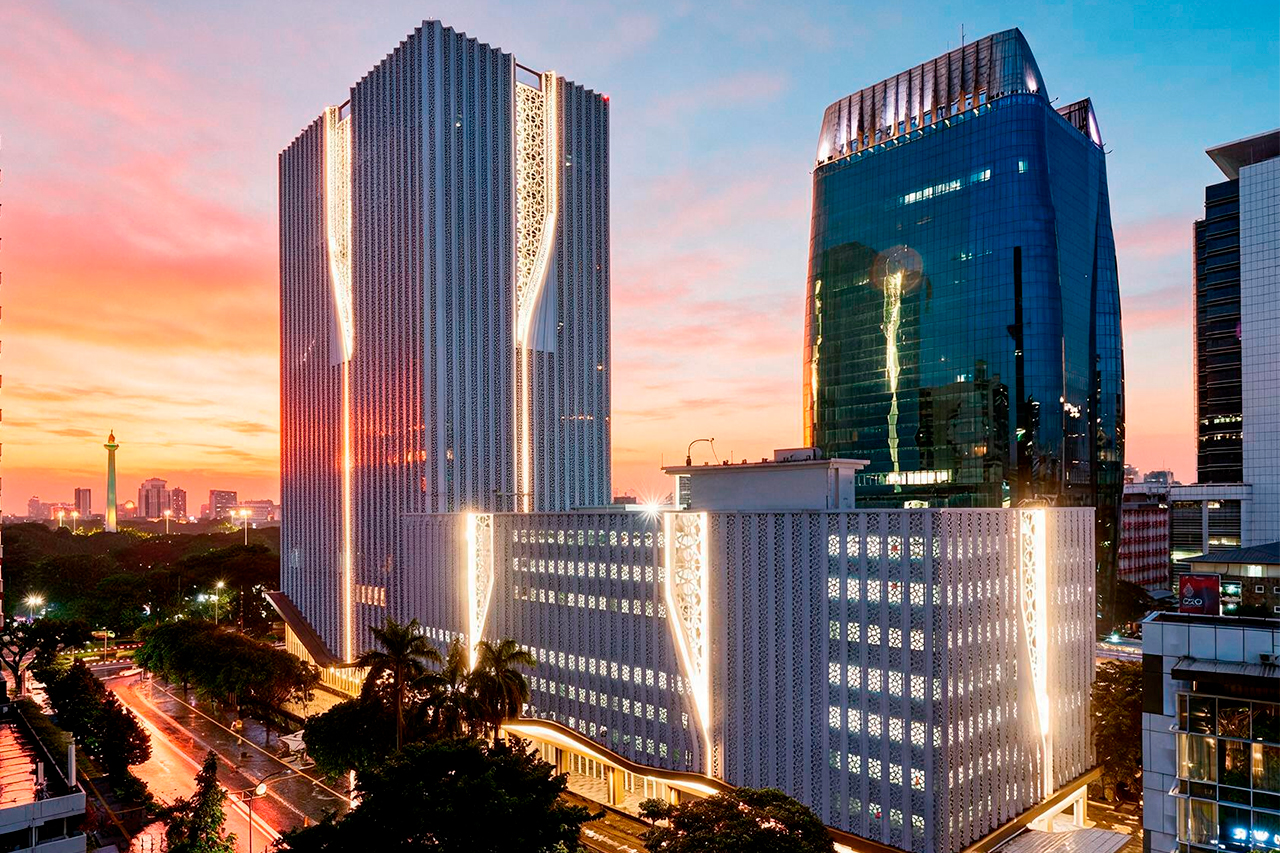
If you have capital sitting on the sidelines waiting for the right entry point into Southeast Asia, Indonesia just gave you a reason to pay closer attention with its new International Financial Center law. This is an entity built specifically to compete with countries like Dubai and Singapore for global capital. The headline incentive being discussed, a tax holiday running as long as 50 years, is the kind of number that tends to reshape where money flows next. And the eventual anchor location for this whole effort is Bali.
Building a New Financial Hub
Instead of integrating the new center into Indonesia’s existing financial system, the government created a parallel framework. Officially called the Indonesia International Financial Center(PFII), the law establishes a dedicated regulator, specialized commercial court, and separate arbitration mechanism. This focus on legal predictability is significant, especially for foreign investors. Regulatory uncertainty has historically been a major concern when investing large amounts in Indonesia.
The government has emphasized that PFII will complement, instead of competing with, domestic banking. It aims to attract institutional capital, investment banks, wealth managers, and leasing firms that often choose Singapore instead. Officials have openly said the goal is to bring back Indonesian and regional capital currently flowing overseas.
The stakes tie directly to a bigger economic goal. President Prabowo Subianto has set a target of 8% GDP growth by 2029, up from 5.6% in early 2026. A financial center capable of channeling foreign capital into Indonesian projects is one of the primary tools the government is counting on to close that gap.
The Benefits
The specific incentive package hasn’t been published in full yet, but enough has been confirmed to sketch out the shape of it. Investors who qualify could expect:
- A tax holiday of up to 50 years for entities meeting certain criteria
- Exemptions on income earned outside Indonesia
- Relief from a portion of value-added tax obligations
- Special treatment under inheritance tax rules
None of this is locked in stone yet. The full legal text wasn’t released alongside the parliamentary vote, so exact eligibility thresholds and application processes are still pending. If you’re mapping out a structure that could benefit from these terms, this is the moment to start tracking the implementing regulations.
From Jakarta to Bali
The rollout is happening in two stages. Jakarta will host the center first, operating out of the newly completed Danareksa Tower. This is simply because the building is ready now and construction delays elsewhere would slow everything down. That phase is expected to run two to three years while the permanent site in Bali is being built.
Kura Kura Bali is considered the leading candidate to host the center. Additionally, the government has already laid the groundwork by appointing administrative leadership, developing the regulatory framework, and courting investors ahead of construction. 11 prospective investors, mostly family offices and investment groups, have already been briefed in Bali, with officials describing the response as highly positive.
How It Could Change Bali’s Economy
For decades, Bali’s economy depended heavily on international tourism, hospitality, and real estate development. While these sectors generated steady growth, they also left the island vulnerable to external shocks, travel restrictions, and seasonal market fluctuations.
The introduction of an international financial center marks a fundamental transformation in Bali’s economic landscape. Diversifying into financial services creates high-value professional jobs, attracts multinational headquarters, and encourages capital reinvestment into local infrastructure, commercial real estate, and educational facilities.
Furthermore, as multinational entities establish their presence during the two-to-three-year rollout window, demand for premium office spaces, secure technology infrastructure, and executive housing will rise. Early investors, real estate developers, and corporate service providers who align their operations with the incoming regulatory framework stand to benefit significantly from this transition.
What Has Yet to Be Decided
That said, a few open questions are worth flagging before treating this as a settled opportunity. The division of functions between Jakarta and Bali once both locations are running hasn’t been detailed. Aside from that, there’s no confirmed date for when Bali’s site becomes operational. Finally, the precise eligibility criteria for the tax incentives, beyond the broad strokes already announced, are still pending publication of the implementing rules.
FAQ
The Indonesia International Financial Center law represents much more than routine policy adjustments. This is a calculated initiative designed to position the nation as a central financial engine in Southeast Asia. By pairing Jakarta’s commercial infrastructure with Bali’s global lifestyle appeal, the country is creating a balanced ecosystem for international capital. For global investors seeking tax-efficient, legally secure, and strategically located gateways into Asian markets, Bali is evolving into one of the region’s most compelling financial hubs.
Why was the Indonesia International Financial Center law created?
It was created to stop wealthy Indonesian families and regional capital from flowing to hubs like Singapore, and to help fund the president’s target of 8% GDP growth by 2029.
Who is expected to use the financial center once it’s operational?
The government is targeting foreign bank branches, wealth management firms, aircraft and ship leasing companies, and other financial services entities. Domestic banks regulated by the OJK are also expected to use the center to expand their own international operations.
What tax incentives are being offered to investors?
Confirmed incentives include a tax holiday of up to 50 years, exemptions on income earned outside Indonesia, partial VAT relief, and special inheritance tax treatment. The full eligibility criteria and application process haven’t been published yet.
Ready to dive in? Don’t navigate this journey alone. Our team of experts at Bali Business Consulting specializes in guiding foreign investors through every stage of the PT PMA setup, ensuring a smooth and successful process from start to finish. Contact us today for personalized support and take the first step toward building a thriving business in Indonesia.