

Bali’s local government is implementing road repairs in 10 locations across the province this year. They have identified an 18% gap in areas where road repairs are not yet fully completed, amounting to a total of 146 km still in need of repair on the island. Successful road repairs would mean a full restoration of Bali road conditions to their prime by 2028.
When talking about road infrastructure in Bali, we can’t divorce it from the excessive growth of traffic in recent years. As travel returned and the Island of Gods became the top-of-mind tourist destination, the province saw an unprecedented influx of tourists, ballooning the city traffic volumes.
Despite the growth, the lack of city planning and infrastructure support is still one big urban problem on the island. The newly operated Trans Metro Dewata, the only bus-rapid-transit system available, has grown to be a reliable public transportation system for commuters and tourists alike. That said, tourists still rely heavily on cars and scooter rentals for their daily transport.
Bali infrastructure improvements can be a win-win for both locals and tourists because they have a direct impact on the region’s economy and contribute to the well-being of locals, a benefit rarely discussed in mainstream media.
Keep on reading our analysis on how the local government’s commitment to Bali road repair can benefit us all.
Bali road conditions: Current bottlenecks and getting to the bottom of it
When it comes to urban planning, there are at least five factors that need to be considered to ensure the process meets the city’s delicate needs. These are the environment, community involvement, future growth, repair and maintenance plans, and data tools.
From the environment and community involvement perspectives, land acquisition in Bali must take into account the community’s ties to and ownership of land, rice fields, or temples (pura) and shrines. Land acquisition, which is typically obtained through negotiations and purchasing transactions, is a delicate matter. Even after the land has been successfully acquired, everyone involved must follow local customary rules to perform traditional rituals. Granted, development in Bali must be in harmony with the values and culture inherent to its people.
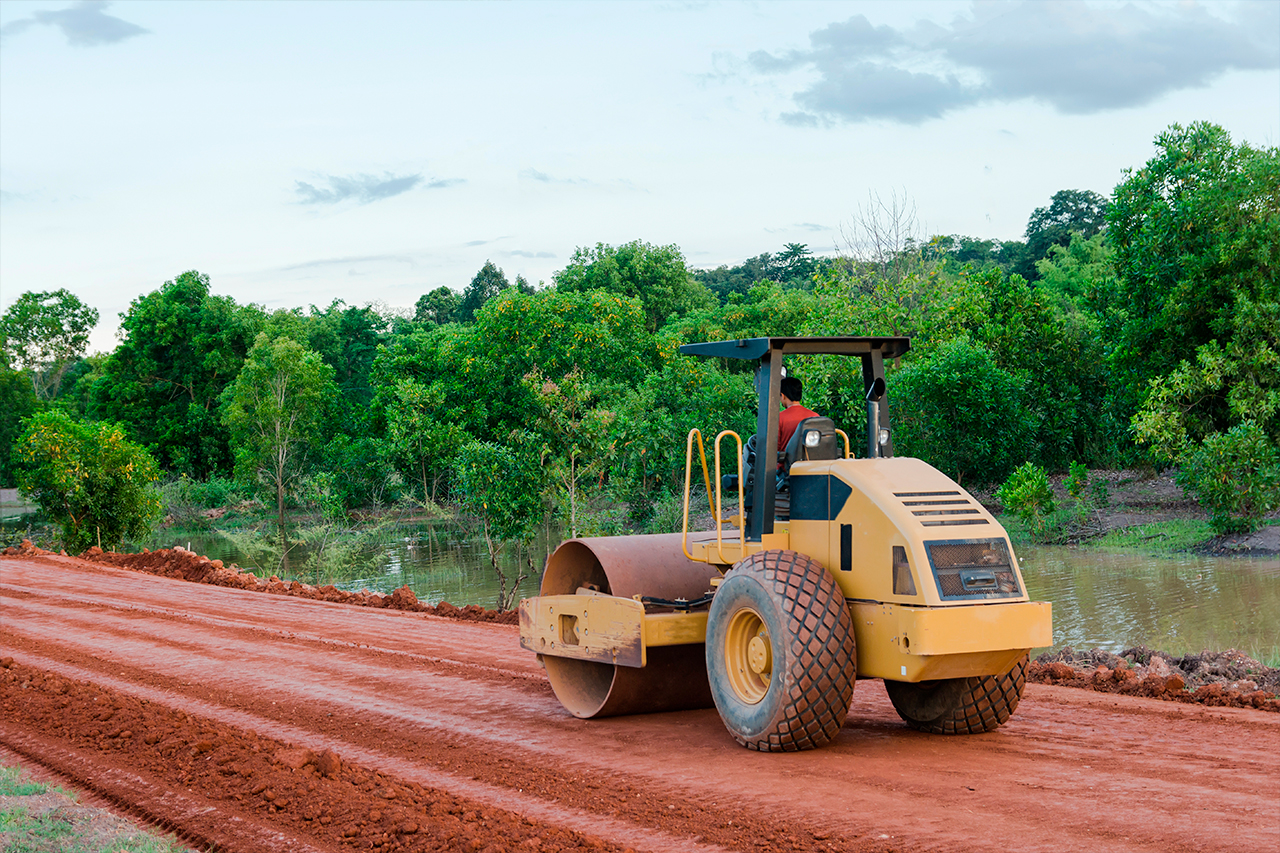
In some popular tourist areas such as Canggu, Seminyak, and Uluwatu, the existing roads are extremely narrow. Road repairs involving heavy equipment and workers are going bit by bit because the roads inevitably have to be closed. The solution currently in place is that road repairs can only be worked on at night, when the road is much less crowded.
Road repairs aren’t just about patching potholes. Comprehensive development also involves coordinating utilities and infrastructure. This includes drainage channels, power cables, and water pipes that run directly underneath or alongside narrow village roads. The province must secure resources to ensure detailed planning and implementation are in place.
Future growth also requires resources from both the regional and national levels. Allocating funds, holding tender processes, and resolving contractor delays often stall projects mid-construction, and there still has to be a way to streamline the processes. Local authorities recently claimed that, to cover the rest of the infrastructure budget as explained above, an estimate of a trillion Rupiah needs to be secured.
Economic dividends: connecting people and commerce
Infrastructure investment is rarely just about asphalt; it is an economic multiplier. For an economy that relies heavily on hospitality, logistics, and small-enterprise retail, reliable roads are the circulatory system of Bali’s everyday commerce.
Currently, tourism revenue remains heavily concentrated in Southern Bali (Badung Regency and Denpasar). Poor road connectivity makes travel to northern and eastern parts of Bali (those going to Singaraja, Amed, or Tejakula) time-consuming for short-term visitors. Ongoing projects like the Gilimanuk-Mengwi toll road and arterial bypass upgrades aim to distribute visitor traffic more evenly across the island. By making rural destinations accessible within a reasonable travel time, road improvements support small businesses, homestays, and eco-tourism initiatives across underrepresented regencies.
While tourism dominates headlines, agriculture remains a vital pillar of Balinese life. Farmers transporting fresh produce, coffee, and flowers from northern highlands to southern hotels face delays and product damage on poorly maintained roads. Upgraded road surfaces and reinforced bridges reduce transit times, lower vehicle maintenance costs for locals, and minimize food supply chain waste.
Safety, quality of life, and well-being
For Bali’s nearly 4.3 million residents, traffic congestion and deteriorating road facilities are daily friction points. Potholes present a major safety hazard to scooter riders, as it is the primary mode of transport for locals and budget travellers alike. Proper road repair and maintenance could be meaningful in:
- Reducing road accidents: Smooth, well-delineated roads featuring clear signage, proper street lighting, and protective guardrails significantly diminish traffic collisions, particularly during nighttime driving and heavy monsoon rain.
- Improving emergency services: In dense corridors, medical emergency vehicles and fire trucks frequently hit bottlenecks. Dedicated turn lanes, widened shoulders, and bypass routes ensure that emergency services can navigate critical pathways without delay.
- Mitigating air and noise pollution: Vehicles stuck in stop-and-go gridlock emit higher concentrations of carbon emissions and fine particulate compared to vehicles traveling at steady speeds. Flowing traffic contributes directly to cleaner air in urbanized villages like Kerobokan and Umalas.
Looking ahead: A collective path forward
Solving Bali’s infrastructure puzzle requires a synchronized effort across government ministries, village-level authorities (desa adat), private developers, and the communities. While construction work temporarily creates localized delays, the long-term payoff is undeniable. A well-maintained road network safeguards Bali’s global reputation as one of the top holiday destinations, while ensuring that locals enjoy safe, efficient, and dignified daily travel.
Through sustainable, connected, and prosperous communities, Bali’s commitment to road repair can really go a long way.