

If you’ve stepped outside in Denpasar or Kuta this week, you’ve likely felt it: a wall of humid, stinging heat that feels far more intense than a typical tropical afternoon. A significant Bali heat wave in March 2026 has taken hold of the Island of the Gods, prompting officials to advise caution for both residents and tourists. The BMKG heat alert for Bali remains in effect as a combination of solar positioning and dry atmospheric dynamics creates a “heat trap” across southern Indonesia.
Denpasar Temperature Record and Regional Impact
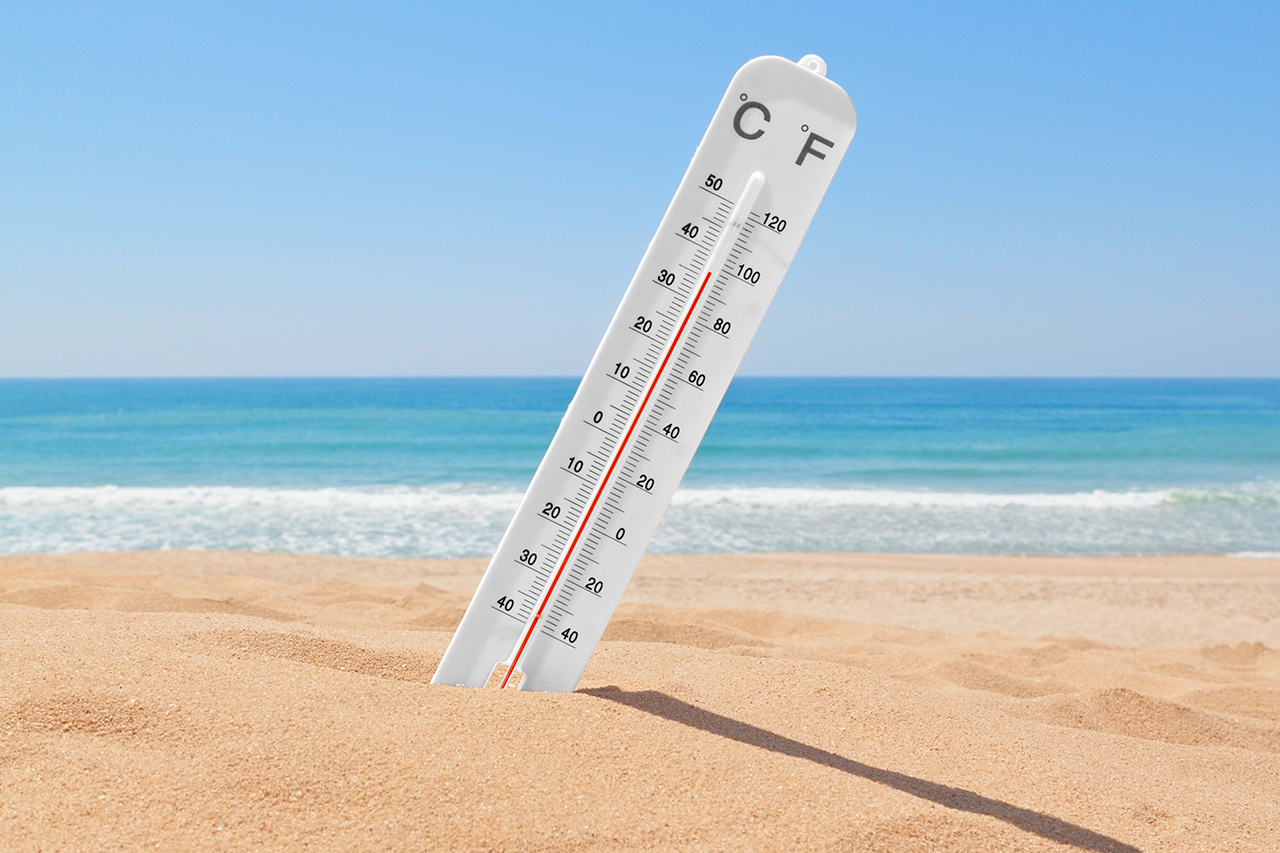
Local geophysical stations have reported staggering numbers this month. Data from the Sanglah station suggests we are approaching a Denpasar temperature record, hitting between 35°C and 37°C (95°F–98.6°F).
While these numbers are high, the “real feel” or heat index is significantly higher due to the extreme humidity typical of the pancaroba (transitional) season. The BMKG classifies weather as “extreme” when it exceeds the 30-year average by more than 3 degrees. It’s a threshold Bali is currently crossing daily.
What is Causing the Extreme Weather in Bali?
According to BMKG Region III Denpasar, this extreme weather in Bali is driven by three primary factors:
- Solar Proximity: The sun’s apparent position is currently directly over the equator, leading to maximum solar radiation in Central and Southern Indonesia.
- Minimal Cloud Cover: Despite being the end of the traditional rainy season, dry air masses from the Australian monsoon are preventing cloud formation, allowing direct UV rays to hit the surface.
- Atmospheric Dynamics: High moisture levels in the upper atmosphere are trapping heat near the ground, creating a “greenhouse effect” across the island’s lowlands.
Key Safety Tips for Travelers
With the heat alert active, travelers are urged to adjust their itineraries to stay safe:
- Peak Sun Avoidance: Limit outdoor activities, especially trekking or surfing, between 11:00 AM and 3:00 PM.
- Hydration is Critical: The high humidity leads to rapid fluid loss. Drink more water than usual and supplement with electrolytes (coconut water is a local favorite!).
- Watch for Signs of Heat Stroke: Dizziness, nausea, and extreme fatigue are red flags. Seek air conditioning immediately if you feel unwell.
Is This the “New Normal” for Bali?
While Bali has always been warm, the Bali heat wave of March 2026 follows a trend of increasing temperatures recorded throughout 2025. Experts suggest that the early start to the dry season and shifting monsoon patterns are making these “heat spikes” more frequent.
Current forecasts suggest that while intermittent light rain may provide brief relief, the intense heat is expected to persist through the first week of April.